
Exploring acids and bases with natural indicators
March 9, 2026


We make many decisions in our everyday life about the food we eat, our health, and how we use water and materials. These decisions are informed by what we have read, heard, and experienced, as well as our beliefs and feelings. These also shape how we relate to our immediate surroundings, each other, and other living beings. Children in the preparatory- and middle- stages (~6-14 years) read about many concepts related to these everyday experiences and relationships (food, health, disease, water, caring for all living beings) in their Environmental Studies (EVS) and science textbooks (NCERT, 2024-2025). However, without opportunities to connect what they learn in class to their everyday life, they may not see the relevance of this learning in their real worlds. Science may remain a subject they learn in school, distant and disconnected from their realities.
According to the National Curriculum Framework for School Education (NCF-SE) 2023, school science: “should enable students to use available scientific evidence to make decisions and choices of their everyday lives, such as decisions to vaccinate oneself, make healthier eating choices, examine media claims critically, or contribute to an inclusive society by critically examining one’s beliefs…” This shapes one of the NCFSE’s aims for school science education, which is to build scientific temper in students: “by developing the capacities for critical and evidence-based thinking and freedom from fear and prejudice.” It recognises this as being “central to the learning of Science” and in helping students “imbibe scientific values and dispositions such as honesty, integrity, scepticism, objectivity, tenacity, perseverance, collaboration and cooperation, concern for life, and preservation of the environment.”
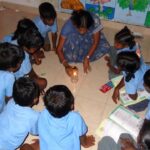
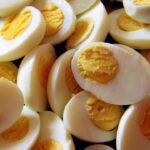
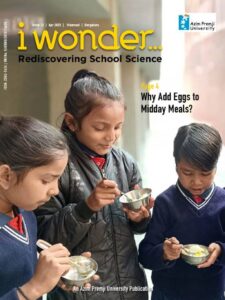
How do we teach science in a way that will help our students think clearly and critically so they can separate belief from fact? How do we equip them with the knowledge and skills to make informed choices about their health and well-being? Amol Kate and Rakesh Tewary share how a fact-based discussion on common beliefs around eggs can help students and their parents think more critically about the nutritional quality of their diets and connect textbook concepts with the healthrelated decisions they make. Aditya Prakash shares how offering students’ hands-on science learning experiences to understand concepts, build scientific skills, and connect both to applications in everyday life can help students see the relevance of science in their real worlds. Satyajit Rath’s article on what we know about the recent GuillainBarre Syndrome (GBS) outbreaks offers teachers a real-world example they can use to help students see the relevance of what they learn about infectious diseases, sanitation, and access to clean drinking water. It can also be used to involve them in taking precautionary action.
What real-world experiences can help students appreciate that science is also about patience, perseverance, and caring deeply about the natural world? Lavanya Karthik’s introduction to the childhood experiences of the Indian botanist Janaki Ammal can inspire students to deepen their relationship with the natural world. It can also show them the curiosity and courage they may need to let this relationship shape their life.
How have you helped your students see the relevance of science in their lives? How has it shaped the way they think about issues that affect their real world? How has it shaped your teaching practice? Share your ideas and experiences with us.
Radha Gopalan
Consulting Editor