
Why add eggs to midday meals?



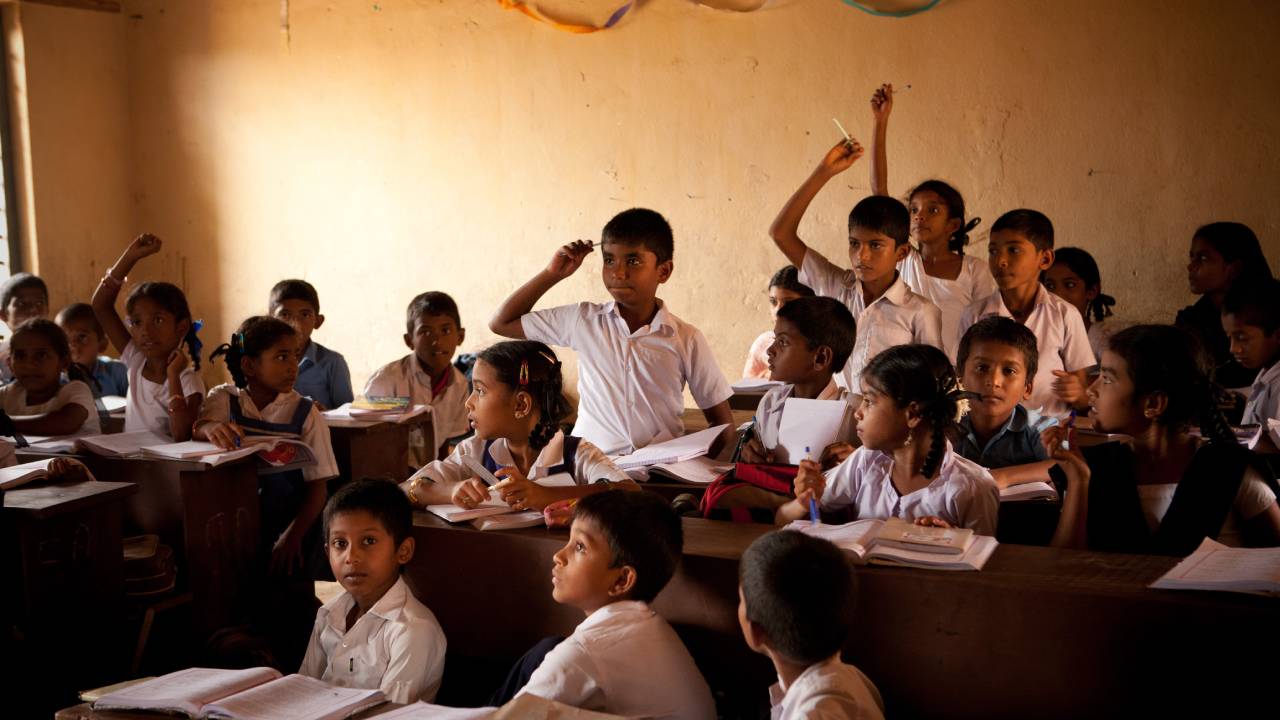
In 2017, we offered each Grade I-VIII student in Azim Premji School (APS), Sirohi, Rajasthan, the option to include an egg in their midday meal. Most students in our school came from neighbouring villages. For some of them, the midday meal provided in school was the only nutritious meal they received in a day (see Box 1). The height and weight of many of our students (measured regularly as part of our health monitoring programme), particularly the girls, did not meet age-appropriate standards. They also showed other signs of undernutrition (like difficulty in focusing, fatigue, and frequent illness).
Box 1. The role of midday meals in school education:
Till the age of 14, children undergo rapid changes in the development of their bodies, organs, bones, brain, and cognitive processes.1 Good nutrition is essential in supporting these changes. But the National Family Health Survey (NFHS)-5 in 2019-2021 found that 35.5% of children under five are stunted (shorter than the height appropriate for their age), 32.1% are underweight (lower than the weight appropriate for their age), and 19.3% are wasted (lower than the weight appropriate for their height).2,3 This suggests that many children are undernourished before they join school. The Comprehensive National Nutrition Survey (CNNS) in 2016-2018 found that 22% of 38,355 school-age (5–9-year-old) children were stunted, 35% were underweight, 21.5% had vitamin A deficiency, and 18.2% had vitamin D deficiency.4,5 A Food and Agriculture Organization (FAO) report on food security and nutrition in Asia and the Pacific suggests that 70.5% of Indians were unable to afford a healthy diet in 2020.5,6 The prevalence of undernutrition and its effects is higher in children from rural areas, poor families, and marginalized communities. These may have worsened due to the pandemic and lockdowns.7 The role of nutrition in education is reflected in the National Educational Policy (NEP) 2020: “Children are unable to learn optimally when they are undernourished or unwell. Hence, the nutrition and health (including mental health) of children will be addressed through healthy meals”.8 The midday meal scheme (MDMS), now called the Pradhan Mantri Poshan Shakti Nirman Scheme (PM-POSHAN scheme), aims to supplement the diets of children from Grades I-VIII in government-run and government-aided schools of our country with one hot balanced meal a day.9 As described in Chapter 3 (‘Mindful Eating: A Path to a Healthy Body’) of the Grade VI science textbook (NCERT, 2024-2025): “This scheme has played a role in improving the health and nutrition of millions of children nationwide”.10 It has also played an important role in boosting enrollment, retention, and attendance of children in these schools.11
Are common beliefs about eggs scientifically valid?
Parents of 35-40% of the children in our school were concerned about eggs being served in their midday meals. Some of these concerns were based on the following beliefs:
- Belief: Daily consumption of eggs is not required if children get sufficient food.
Facts: The belief that eating sufficient food (enough calories) ensures good nutrition is quite common. However, for a meal to be balanced, the nutritional quality of the food sources that provide these calories is more important than the number of calories. For this reason, the recommendation is that each midday meal provide 450 calories and 12 g of the daily protein requirement of Grade I-V students and 700 calories and 20 g of the protein requirement of Grade VI-VIII students (see Box 2).12 Midday meals that are cereal- or millet-based, even when fortified, may meet these caloric requirements without satisfying the recommended protein requirements.7 In contrast, including protein-rich food in these meals can help meet both requirements.
Box 2. A balanced diet for children:
A balanced diet is crucial to support the growth, development, and overall health of children. It plays a vital role in supporting their immune system and preventing health issues later in life. Chapter 3 (‘Mindful Eating: A Path to a Healthy Body’) of the Grade VI science textbook (NCERT, 2024-2025) defines a balanced diet as one that has: “…all essential nutrients, roughage, and water in the right amount for proper growth and development of the body”.10 Indian Council of Medical Research-National Institute of Nutrition (ICMR-NIN) highlights the need to plan a child’s diet to ensure that:
- The amounts of nutrients, roughage, and water match nutritional requirements specific to the child’s age, gender, physiological status, and physical activity.
- The nutrients and roughage come from diverse food sources that are locally available and accessible.
- It also provides children with the antioxidants necessary for good health.13
In Chapter 3 (‘Mindful Eating: A Path to a Healthy Body’) of the Grade VI science textbook (NCERT, 2024-2025), students learn that we can get proteins (body-building nutrients) from both plants and animals (see Fig. 1). Plant-based foods rich in proteins include pulses, peas, beans, soya, and nuts. Animal-based foods rich in proteins include milk, paneer, eggs, meat, and fish.10

The midday meals in Rajasthan include pulses and milk to meet the recommended protein requirements. We chose to also offer eggs as an option because they are nutrient- dense sources of proteins with high biological value. Eating just one average-sized egg (44-56 g) per day can provide a child with 6-7 g of protein that: (a) Can be readily digested by the child’s body, (b) Releases each of the nine essential amino acids (these amino acids cannot be produced by humans, but are necessary for us) when digested, and (c) Allows a child’s body to readily absorb and use these amino acids. This is not all. Each egg has almost all vitamins (except vitamin C) and many important minerals (like calcium, zinc, selenium, iron, iodine, and phosphorous). It also contains antioxidants (like lutein and zeaxanthin that support eye health) and is one of the richest sources of choline (essential in supporting cognitive functions). Like its proteins, many of the other nutrients in an egg are present in highly bioavailable forms. This means that they can be readily absorbed by a child’s body.14,15 Also, eggs are tasty, widely available, relatively affordable, and have a longer shelf life than milk and bananas. They are easy to prepare (can be served boiled), and may be less prone to adulteration (like watering down) than pulses and milk (see Teacher’s Guide I).
- Belief: A single egg is enough to meet the daily protein requirements of a child.
Facts: Proteins are vital in the physical and mental development of growing children. ICMR-NIN recommends a daily allowance of 23 g of protein for a 7–9-year- old child and 33 g of protein for a 10–12-year-old.13 While eggs are an excellent source of protein, one boiled egg is not sufficient to meet a child’s daily protein allowance. In contrast, a diet that includes eggs and other sources of protein (like dairy, legumes, or soya chunks) is more likely to help a child get their daily allowance of protein, while also providing other essential nutrients.
- Belief: Since eggs can hatch into chicks, they are non-vegetarian.
Facts: Vegetarian diets are of different kinds. They may exclude all animal products (vegan). Or they may include milk and milk products (lacto-vegetarian), eggs (ovo- vegetarian), or fish (pescatarians). A common belief is that eggs are non-vegetarian food because they can hatch into chicks. This is not accurate. Most eggs that are sold commercially for our consumption are unfertilized (see Teacher’s Guide II).
- Belief: Eating eggs can cause stomach pain due to digestive issues like bloating or build-up of gas.
Facts: Eggs are considered a good source of digestible protein.1,16 But some children (about 2%), especially under the age of five, may be allergic to egg proteins, while some other children may be intolerant to them. It is important that parents of children experiencing any adverse effects after consuming a meal with eggs consult with a medical doctor to confirm the cause.17,18
For children who are allergic or intolerant to egg proteins, alternative sources of dietary protein recommended in the PM-POSHAN scheme include milk, groundnut- jaggery (chikki), and bananas. For children who do not have such allergies or food intolerances, eggs are an affordable and accessible source of essential nutrients that may not always be found in other alternatives (see Table I).
| Nutrients | (a) Boiled Egg | (b) Banana | (c) Milk | (d) Peanuts |
|---|---|---|---|---|
| per 100 g | ||||
| Carbohydrate (g) | 1.12 | 22.8 | 4.63 | 21.3 |
| Protein (g) | 12.6 | 1.09 | 3.27 | 24.4 |
| Fat (g) | ||||
| Saturated fat | 3.27 | 0.112 | 1.86 | 7.72 |
| Cholesterol | 0.372 | 0 | 0.012 | 0 |
| Trans fat | 0 | 0 | 0.112 | 0.027 |
| Omega-3s | 0.043 | 0.027 | 0.008 | 0.026 |
| Vitamins other than B (mcg) | ||||
| A | 149 | 3 | 32 | 0 |
| D | 2.2 | 0 | 0.96 | 0 |
| E | 1030 | 100 | 50 | 4930 |
| K | 0.3 | 0.5 | 5.1 | 0 |
| C | 0 | 8700 | 0 | 0 |
| Vitamin B (mg) | ||||
| B1 | 0.066 | 0.031 | 0.056 | 0.152 |
| B2 | 0.513 | 0.073 | 0.138 | 0.197 |
| B3 | 0.064 | 0.665 | 0.105 | 14.4 |
| B6 | 0.121 | 0.367 | 0.061 | 0.466 |
| B9 | 0.044 | 0.02 | 0 | 0.097 |
| B12 | 0.0011 | 0 | 0.00054 | 0 |
| Minerals (mg) | ||||
| Calcium | 50 | 5 | 123 | 58 |
| Iron | 1.19 | 0.26 | 0 | 1.58 |
| Potassium | 126 | 358 | 150 | 634 |
| Choline | 294 | 9.8 | 17.8 | 64.6 |
| Zinc | 1.05 | 0.15 | 0.42 | 2.77 |
| Phosphorous | 172 | 22 | 101 | 363 |
| Phytochemicals (mg) | ||||
| Beta-carotene | 0.011 | 0.026 | 0.007 | 0 |
| Lutein – Zeaxanthin | 0.353 | 0.022 | 0.006 | 0 |
| Calories (kcal) | 155 | 89 | 60 | 587 |
- Belief: Boiled eggs are unhealthy because they increase blood cholesterol levels. This could lead to heart disease or other health issues later in life.
Facts: Eggs are naturally high in cholesterol (all in their yolks). But research shows that they do not raise blood cholesterol levels as much as food items that are rich in saturated and trans fats (such as palm oil, vanaspati, butter, ice cream, fried food, cakes, and pastries) do.19,21
Some studies suggest that the more eggs you eat per week, the higher your risk of cardiovascular disease. But this could be related to how eggs are cooked (for example, fried in saturated fats such as butter or oil) and what they are eaten with (for example, parathas cooked in oil or bread and butter).21 Eggs in midday meals are boiled and not accompanied by foods rich in saturated fats.
Health experts suggest reducing dietary cholesterol levels to 300 mg per day. If the rest of a child’s diet is not rich in cholesterol, they can eat an egg (a 50 g egg has 186 mg of cholesterol) a day.21 At APS Sirohi, each child receives one egg a day, six days a week. In many states, each child receives 2-3 eggs per week under the PM-POSHAN scheme.12
- Belief: Eating eggs during the hot summer months can cause discomfort, dehydration, or other heat-related issues.
Facts: Studies suggest that eggs can be consumed in moderation year-round by children. They may also provide the nutrients needed to maintain energy levels during hot weather. Many studies suggest that the risk of food-borne illnesses can increase during hot months. So extra care may need to be taken to ensure that eggs are stored, handled, and cooked hygienically enough to avoid causing such illnesses.
It may also help to ensure that children have access to enough clean drinking water and that their meals include more locally available water-rich vegetables (like cucumber, bottle gourd, ash gourd, and ridge gourd). These steps can help children stay hydrated during hot summers and cope with some of the negative effects of heat stress.
- Belief: Eating eggs may alter the onset of puberty.
Facts: We found no evidence to support this belief. There is evidence that a balanced diet is necessary at all stages of a child’s growth. But, as emphasized in Chapter 7 (‘Reaching the Age of Adolescence’) of the Grade VIII science textbook (NCERT, 2024-2025), it is particularly important in supporting the growth spurt that adolescents experience during puberty and the menstrual cycle.22 Eggs are considered protective foods because they protect against deficiencies and support overall health. Including them in the diet of adolescents, especially girls, can help meet part of the daily allowance of protein, iron, and vitamin D that they need for healthy growth and bone development during puberty (see Teacher’s Guide III).23
Box 3. Curricular connections:
Students are introduced to the midday meal scheme in Chapter 20 (‘Eating Together’) of the Grade IV Environmental Studies (EVS) textbook (NCERT, 2024-2025).24 They learn more about it in Chapter 3 (‘Mindful Eating: A Path to a Healthy Body’) of the Grade VI science textbook (NCERT, 2024-2025).10 Both chapters encourage children to think more critically about the nutritional quality of the food they eat. Preparatory-stage EVS and middle-stage science teachers can use these chapters to involve students in discussions around the inclusion of eggs in midday meals.
These discussions can help students develop what Article 51A (h) of the Constitution of India lists as the fundamental duty of every citizen: “…to develop the scientific temper, humanism, and the spirit of inquiry and reform”.25 This duty shapes an aim of school science, as outlined in the National Curriculum Framework for School Education (NCF-SE) 2023: “…to build scientific temper by developing the capacities for critical and evidence-based thinking and freedom from fear and prejudice”.
The NCF-SE 2023 recognises this aim as being: “…central to the learning of Science”.26
These discussions can also help meet the following:
- Curricular goal (CG-4) for middle-stage science: [The student] understands the components of health, hygiene, and well-being. Specifically, it can help students develop the competency to: (a) C-4.1: “Undertake a nutrition-based analysis of food components with special reference to Indian culinary practices and a modern understanding of nutrition, and explain the effect of nutrition on health”, (b) C-4.2: “Examine different dimensions of the diversity of food—sources, nutrients, climatic conditions, and diets”, and (c) C-4.3: “Describe biological changes (growth, hormonal) during adolescence, and measures to ensure overall well-being”.26
- Learning outcomes for: (a) Grade VI science: Students apply their learning of scientific concepts to: “…select food items for a balanced diet” and (b) Grade VIII science: Students apply their learning of scientific concepts to: “…challenge myths and taboos regarding adolescence.”27
Parting thoughts
Decisions related to the food choices of Grade I-VIII children are made mostly by their parents. Many beliefs that children and parents, especially in rural areas, hold towards food may be influenced by the larger community they are part of. Based on our experience of including eggs in the midday meals of our students, open and continuing discussions with children and parents can play an important role in addressing food-related beliefs. We used such discussions to: (a) Draw out and record concerns that parents and children had about eggs, and (b) Communicate scientifically valid facts on eggs and their effects on human health. This process has helped our students connect concepts on nutrition from their science textbooks with food-related decisions they make in school (like the options they choose for their midday meals) and outside it (see Box 3). It has helped improve their nutrition and foster a more open-minded approach toward dietary diversity in our school. Eggs are offered as an option in the midday meals of students in all nine Azim Premji Schools (APS) in the country (in Karnataka, Chhattisgarh, Rajasthan, and Uttarakhand). Some of the beliefs parents of our students in APS Sirohi had about eggs may be common to parents of children from these and other schools. We have shared our experience in the hope that it will help teachers and parents from across the country use the science of nutrition to make healthier food choices for children.
Key takeaways

- Children in the age range of 6-14 years show rapid growth and changes in the development of their bones, brain, and cognitive processes. A balanced diet is crucial to support these changes.
- Eggs are nutrient-dense sources of protein, present in a form that can be readily digested and absorbed by a child’s body. They are also widely available, relatively affordable, and easy to prepare.
- Offering Grade I-VIII students the option to include an egg in their midday meals can help support their nutrition and growth in important ways. But in some geographical and cultural contexts, this addition can challenge parental beliefs and community norms about food.
- Facilitating fact-based discussions on common beliefs around eggs can help parents make more informed decisions about the inclusion of eggs in their children’s meals.
- Involving students in fact-based discussions on common beliefs around eggs can help them think more critically about the nutritional quality of the food they consume. It can also help them appreciate the real-world relevance of what they learn about health, nutrition, and development from the middle-stage science curriculum.
Notes
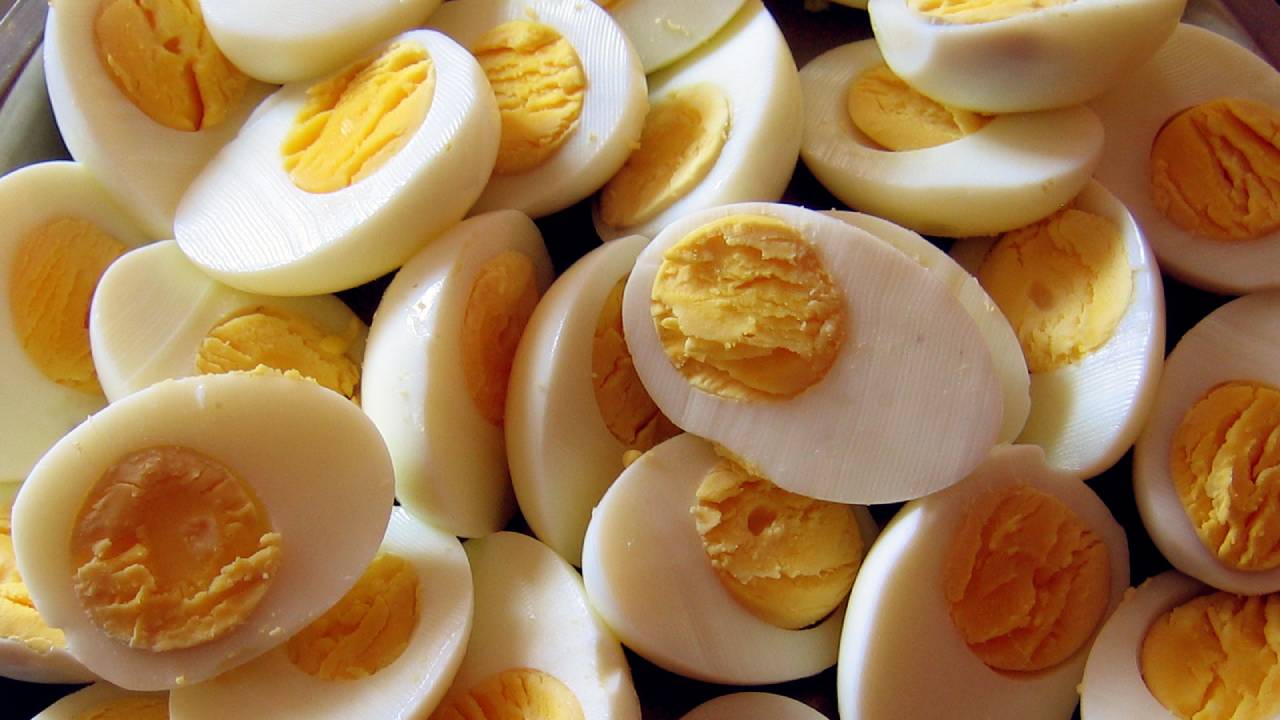
- Credits for the image (Boiled Eggs) used in the background of the article title: Ritesh Man Tamrakar. URL: https://www.flickr.com/photos/_ rmt_/4062190929. License: CC BY 2.0 Generic Deed.
- Where relevant, information shared with parents has been updated in this article with additional details from more recent studies of the effect of egg consumption on children’s health.
- As shared in the article, some children may suffer from an allergy or intolerance to egg proteins. Symptoms of an egg allergy tend to appear within a few minutes of eating an egg. A mild reaction may cause abdominal pain, diarrhea, nausea, vomiting, rashes, itching, or swelling of the lips, tongue, or throat. A severe reaction may cause anaphylaxis, dizziness, difficulty in breathing and/or swallowing, tightness in the chest and/or throat, confusion, or shortness of breath. Without immediate medical treatment, an anaphylactic reaction can be fatal. On the other hand, symptoms of an egg intolerance develop over 48 hours and can include stomach pain, cramps, diarrhea, nausea, or vomiting. If you plan to add eggs to the midday meals at your school, it may be useful to ask parents if their children have shown symptoms of an allergy or intolerance in the past. If any of the children in your school are eating eggs for the first time, it may be necessary to be prepared for this possibility. It may also be useful to keep in mind that about 50% of children with egg allergies are likely to develop a tolerance for egg proteins by the age of five and up to 70% of them are likely to outgrow this reaction by the age of 16.
- This article includes three detachable classroom resources: Teacher’s Guide I: What Do We Do With Eggshells?, Teacher’s Guide II: Can all Chicken Eggs Hatch into Chicks?, and Teacher’s Guide III: Can Eating Eggs Alter the Onset of Puberty?
References
- Saavedra JM & Prentice AM (2023). ‘Nutrition in school-age children: a rationale for revisiting priorities’. Nutrition Reviews, 81(7): 823-843. URL: https://pmc.ncbi.nlm.nih.gov/articles/PMC10251301/.
- Vaishnav, Anurag & Ram, Anya Bharat (2020). ‘Vital Stats: National Family Health Survey 5’. PRS Legislative Research. URL: https://prsindia.org/ files/policy/policy_vital_state/NFHS-5_VitalStats.pdf.
- Ministry of Women and Child Development (2023). ‘Steady improvement in indicators for malnutrition’. Press Information Bureau (PIB). URL: https://pib.gov.in/PressReleaseIframePage.aspx?PRID=1988614.
- Ministry of Health and Family Welfare (MoHFW), Government of India, UNICEF and Population Council (2019). ‘Comprehensive National Nutrition Survey (CNNS) National Report’. National Health Mission. URL: https://nhm.gov.in/WriteReadData/l892s/1405796031571201348.pdf.
- Raman, Shreya (2024). ‘Parents & Students Want Eggs In Schools, But As Influence Of Right-Wing Politics Grows, Child Nutrition Suffers’. Article 14. URL: https://article-14.com/post/parents-students-want-eggs-in-schools-but-as-influence-of-right-wing-politics-grows-child- nutrition-suffers-65d560048fc80. Accessed on Jan 27, 2025.
- FAO, UNICEF, WFP and WHO (2023). ‘Asia and the Pacific—Regional Overview of Food Security and Nutrition 2022’. Urban food security and nutrition. URL: https://doi.org/10.4060/cc3990en.
- Paikra, Gangaram et. al., Right to Food Campaign (2021). ‘Egg in mid-day meals-Resistance is against child rights’. Countercurrents.org. URL: https://countercurrents.org/2021/12/egg-in-mid-day-meals-resistance-is-against-child-rights/. Accessed on Jan 27, 2025.
- Ministry of Human Resource and Development, Government of India (2020). ‘National Education Policy 2020’. Ministry of Education. URL: https://www.education.gov.in/sites/upload_files/mhrd/files/NEP_Final_English_0.pdf .
- Pradhan Mantri Poshan Shakti Nirman. Ministry of Education, Government of India. ‘Frequently Asked Questions on Mid Day Meal Scheme. Jharkhand State Food Commission’. URL: https://jharkhandsfc.in/docs/faq/faq_mdm.pdf.
- National Council of Educational Research and Training (2024). ‘Chapter 3: Mindful Eating: A Path to a Healthy Body’. Science Textbook for Grade VI: 35-59. URL: https://ncert.nic.in/textbook.php?fecu1=3-12.
- Child Rights and You (CRY), India (2024). ‘Importance of Mid-Day Meal Schemes in Schools in India’. URL: https://www.cry.org/blog/ importance-of-mid-day-meal-schemes-in-schools-in-india/. Accessed on Jan 27, 2025.
- Sanjay (2023). ‘14 states provide eggs as part of mid-day meal scheme: Education ministry’. News Careers 360. URL: https://news.careers360. com/pm-poshan-scheme-mid-day-meal-egg-nutrition-budget-allocation. Accessed on Jan 27, 2025.
- Indian Council for Medical Research—National Institute of Nutrition (2024). ‘Dietary Guidelines for Indians’. Pg. 57-59. URL: https://www.nin. res.in/dietaryguidelines/pdfjs/locale/DGI07052024P.pdf. Accessed on December 10, 2024.
- CARE Medical Team (2024). ‘How Much Protein in an Egg?’ CARE Hospitals Blog. URL: https://www.carehospitals.com/blog-detail/protein-in- egg/. Accessed on Jan 27, 2025.
- Réhault-Godbert S, Guyot N, & Nys Y (2019). ‘The Golden Egg: Nutritional Value, Bioactivities, and Emerging Benefits for Human Health’. Nutrients 11(3): 684. doi: 10.3390/nu11030684. URL: https://pmc.ncbi.nlm.nih.gov/articles/PMC6470839/.
- Calvez J, Azzout-Marniche D, & Tomé D (2024). ‘Protein quality, nutrition, and health’. Front Nutr. 11: 1406618. URL: https://pmc.ncbi.nlm.nih. gov/articles/PMC11165183/#sec1. Accessed on December 14, 2024.
- Cleveland Clinic (2023). ‘Egg Allergy’. Cleveland Clinic Health Library. URL: https://my.clevelandclinic.org/health/diseases/25086-egg-allergy. Accessed on Jan 27, 2025.
- American College of Allergy, Asthma & Immunology. ‘Egg’. URL: https://acaai.org/allergies/allergic-conditions/food/egg/. Accessed on Jan 10, 2025.
- Harvard T. H. Chan School of Public Health (2020). ‘Eggs. The Nutrition Source’. URL: https://nutritionsource.hsph.harvard.edu/food-features/ eggs/. Accessed on Jan 10, 2025.
- US Department of Agriculture (2019). ‘Eggs, whole, cooked, hard-boiled’. FoodData Central. URL: https://fdc.nal.usda.gov/food- details/173424/nutrients. Accessed on Jan 10, 2025.
- Lopez-Jiminez, F (2024). ‘Eggs: Are they good or bad for my cholesterol?’ Mayo Clinic. URL: https://www.mayoclinic.org/diseases-conditions/ high-blood-cholesterol/expert-answers/cholesterol/faq-20058468. Accessed on Jan 27, 2025.
- National Council of Educational Research and Training (2023-2024). ‘Chapter 7: Reaching the Age of Adolescence’. Science Textbook for Grade VIII: 79-92. URL: https://ncert.nic.in/textbook.php?hesc1=7-13.
- National Institute of Nutrition (2011). ‘Dietary Guidelines for Indians—A Manual’. Pg. 47–48. URL: https://www.nin.res.in/downloads/ DietaryGuidelinesforNINwebsite.pdf. Accessed on Jan 10, 2025.
- National Council of Educational Research and Training (2023-2024). ‘Chapter 20: Eating Together’. EVS Textbook for Grade IV: 166-173. URL: https://ncert.nic.in/textbook.php?deap1=20-27.
- Government of India. ‘The Constitution 42nd (Amendment) Act, 1976. Part IV A. Fundamental Duties, 51A (h)’. india.gov.in. URL: https://www. india.gov.in/my-government/constitution-india/amendments/constitution-india-forty-second-amendment-act-1976
- National Steering Committee for National Curriculum Frameworks (2023). ‘National Curriculum Framework for School Education 2023’. National Council of Educational Research and Training. URL: https://ncert.nic.in/pdf/NCFSE-2023-August_2023.pdf.
- National Council of Educational Research and Training (2017). ‘Learning Outcomes at the Elementary Stage’. National Council of Educational Research and Training. URL: https://ncert.nic.in/pdf/publication/otherpublications/tilops101.pdf.