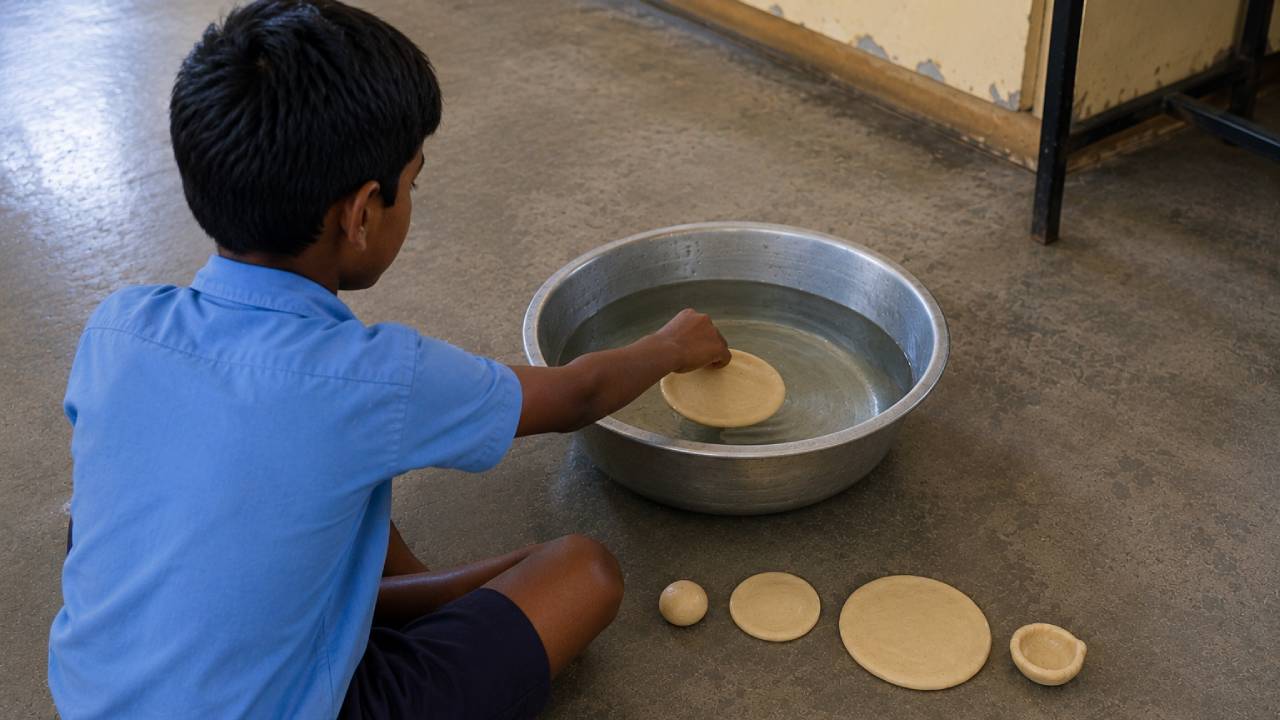
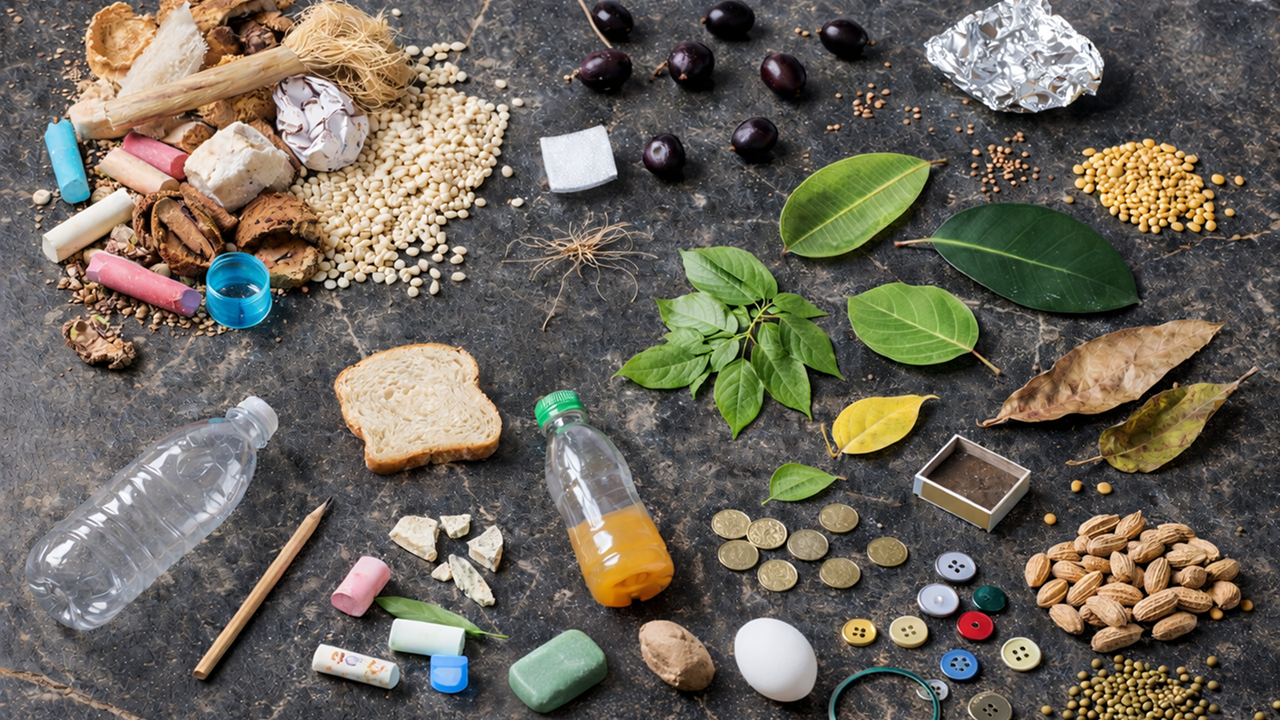
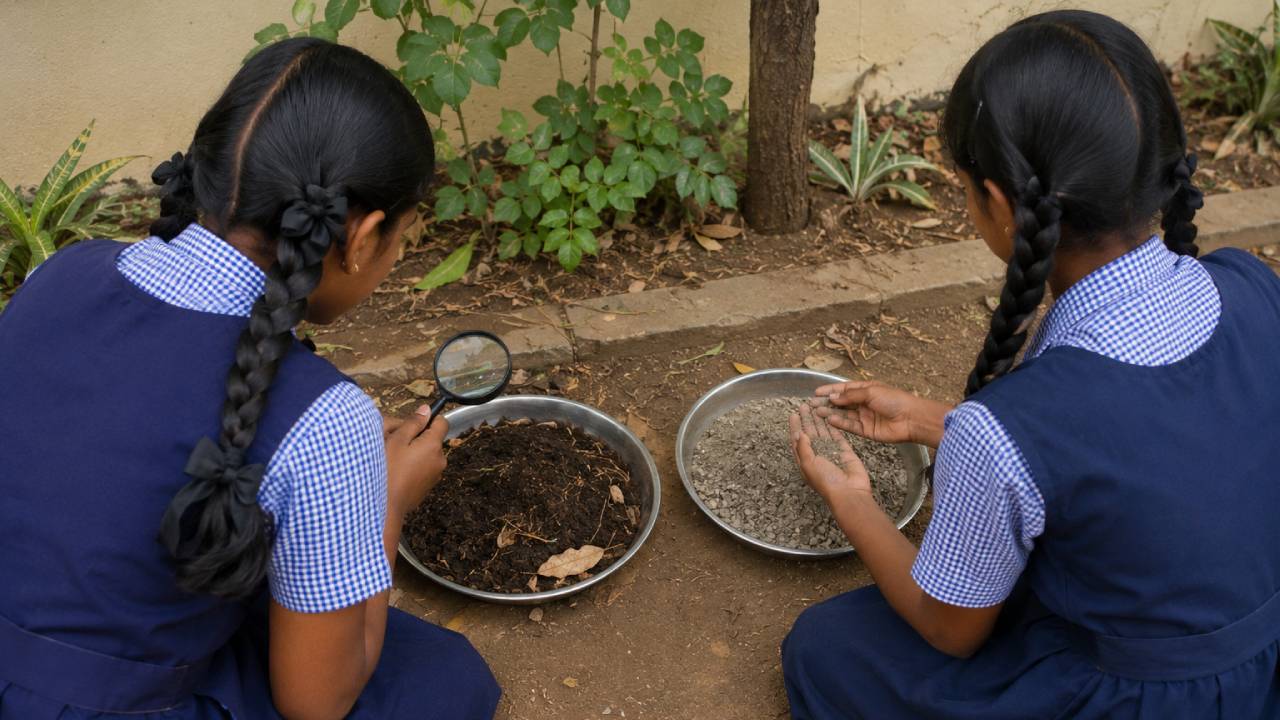
Discovery can be risky – that is why scientists learn to be careful

Science is driven by curiosity—the urge to observe, test, and understand the world more deeply. Many discoveries we rely on today were made at a time when scientists knew far less about the risks involved in studying living organisms, materials, or natural phenomena. In these early stages of scientific exploration, safety knowledge developed slowly. As a result, some scientists were injured or fell ill—not because they were careless, but because the dangers were not yet understood.
For example, in 1900, physician Jesse William Lazear was studying yellow fever. To investigate whether mosquitoes spread the disease, he allowed himself to be bitten by an infected mosquito. He later died from yellow fever. His work, together with that of his colleagues, contributed to understanding the transmission of the disease, which over time led to improved public health measures. In 1932, researcher William Brebner was bitten by a rhesus monkey while working with animals. He died from an infection later identified as the B virus, a pathogen that can spread from monkeys to humans. Research following this case improved knowledge of zoonotic diseases and laboratory safety procedures. Not all encounters were fatal. In 1933, doctor Allan Walker Blair deliberately allowed a black widow spider to bite him to observe the effects of its venom. Though he experienced severe pain, he survived, and his careful observations contributed to medical understanding of spider bites. Similarly, herpetologist Karl Patterson Schmidt was bitten by a venomous snake in 1957 while studying reptiles. He recorded his symptoms in detail, providing useful information about the effects of snake venom. Scientists also faced risks while studying materials that seemed harmless. In the 18th century, chemist Carl Wilhelm Scheele handled and, in some cases, tasted substances such as mercury, arsenic, and lead, before laboratory safety rules existed. Repeated exposure damaged his health and contributed to the later establishment of strict safety practices in chemistry.
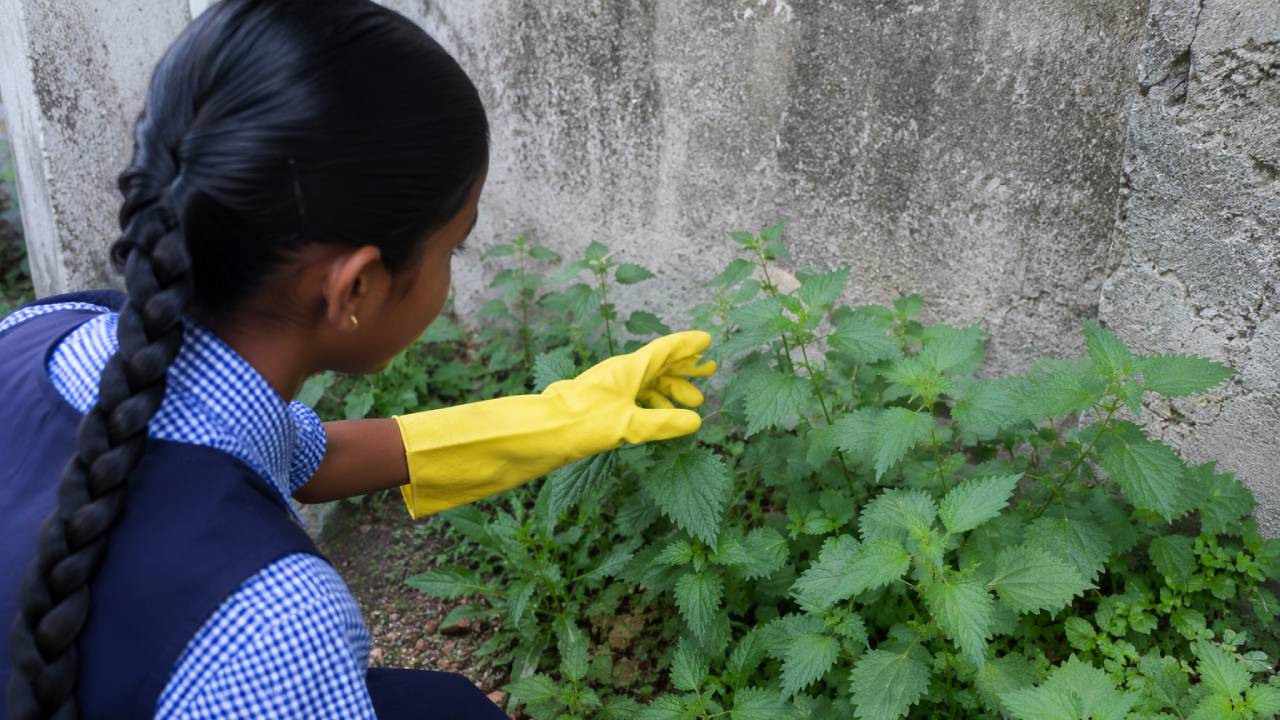
These stories are not meant to frighten students. They show how scientific knowledge develops through observation, evidence, and careful recording, and how safety has become an integral part of scientific practice. Modern laboratory rules—using gloves, labels, careful handling, and supervision —are based on generations of experience and understanding of chemical, biological, and physical hazards. When students investigate plants, soil, water, or household materials, these examples help teachers frame caution as responsible curiosity. They also support discussions about how scientists decide what can be observed safely, what requires protective measures, and what should be avoided entirely.
Question for students:
You already investigate the world every day—touching plants, mixing substances, heating food, or fixing things.
- Which of these activities could be risky if done carelessly?
- How do adults reduce these risks?
- If you were planning a classroom investigation, what safety steps would you include— and why?
Notes
- Credits for the image (Using precautions while investigating plants) used in the background of the article title: Created for i wonder… using ChatGPT under prompting by Chitra Ravi (June 2026). License: CC BY-NC-ND 4.0.
- This article was originally published as a ‘Did You Know?’ piece that appeared at the end of the article titled ‘Exploring natural acid-base indicators: Teaching experiences.‘ in the print edition of the Dec 2025 issue.