

Growing up is not just a human thing

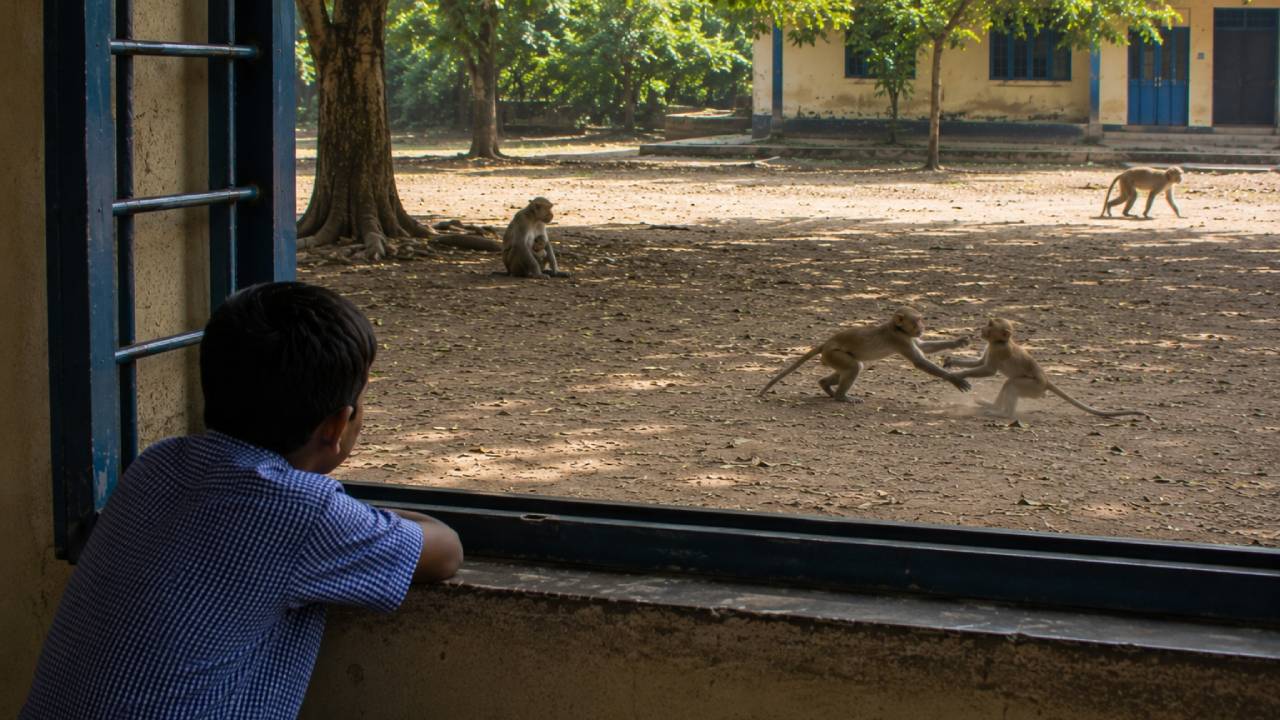
Many children think adolescence is only a ‘human problem.’ However, many other mammals also go through a developmental phase between early youth and adulthood, marked by physical growth and changes in behaviour. Although this phase is not identical across species, young mammals often show increasing independence from caregivers and greater interaction with peers. For example, young calves and goats that previously stayed close to their mothers gradually spend more time feeding on their own and interacting physically with other young animals. In goats, behaviours such as pushing or butting are commonly observed during this stage and contribute to physical development and the establishment of social relationships. Young dogs that earlier responded consistently to training may show increased restlessness or variable responses during periods of rapid growth and hormonal change. Young cats may begin to range farther from familiar areas, climb higher structures, and have more frequent encounters with other animals as their mobility, strength, and exploratory behaviour increase. In several primate species, young monkeys spend more time with peers and engage in rough play, such as chasing and wrestling, while still relying on adults for protection. In many mammals, this stage of development is associated with continued growth, learning through experience, increasing independence, and changes in social behaviour that differ from those seen in early childhood or full adulthood.
Question for students
Think of a young animal you see in your neighbourhood (cow, dog, goat, cat, or monkey). As it grows, what changes do you notice in its behaviour, level of independence, or interactions with other animals? How might these changes affect the animal’s ability to live as an adult?
Notes
- Credits for the image (Observing neighbourhood animals) used in the background of the article title: Created for i wonder… using ChatGPT under prompting by Chitra Ravi (June 2026). License: CC BY-NC-ND 4.0.
- This article was originally published as a ‘Did You Know?’ piece that appeared at the end of the article titled ‘Using science to support students in navigating adolescence.‘ in the print edition of the Dec 2025 issue.