
Exploring soil: The foundation of life
June 15, 2026


Welcome to this issue of i wonder…. This issue features an article on an important—but often less discussed— theme from the middle-stage science curriculum: adolescence.
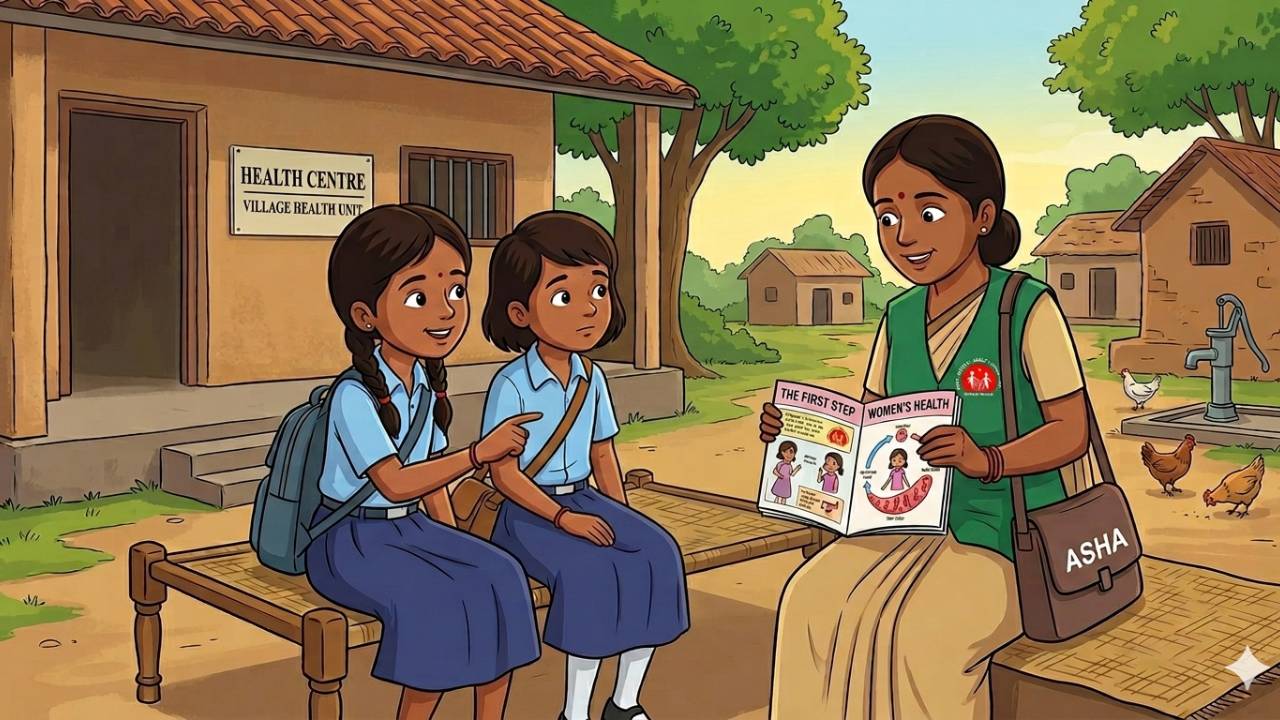
Adolescence is often described as a bridge between childhood and adulthood, a phase in which physical, emotional, and social changes come together to shape the future adult. While a dedicated chapter in the middle-stage science curriculum focuses on these changes, many science teachers hesitate to teach it in the classroom. Deep-rooted sociological, cultural, and pedagogical barriers—often reinforced by teachers’ own discomfort—limit open discussion. As a result, this chapter and related topics are sometimes skipped or addressed superficially, leaving students without guidance during a critical phase of development.
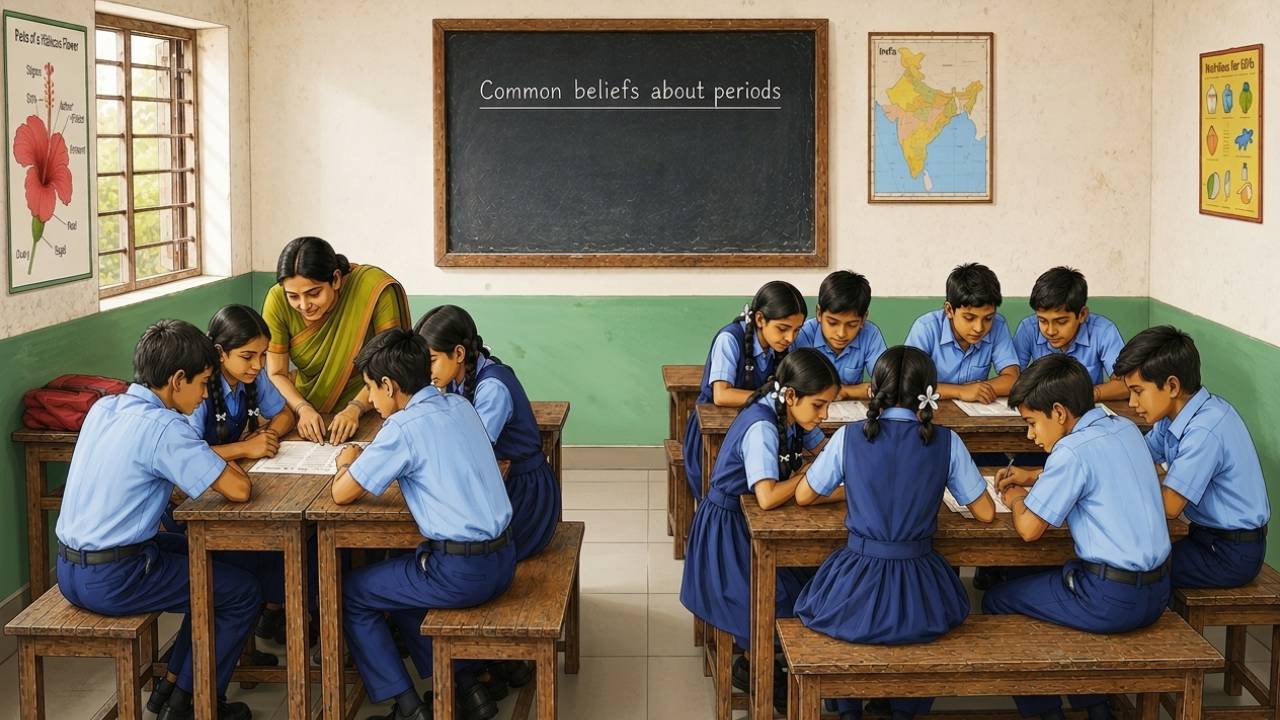
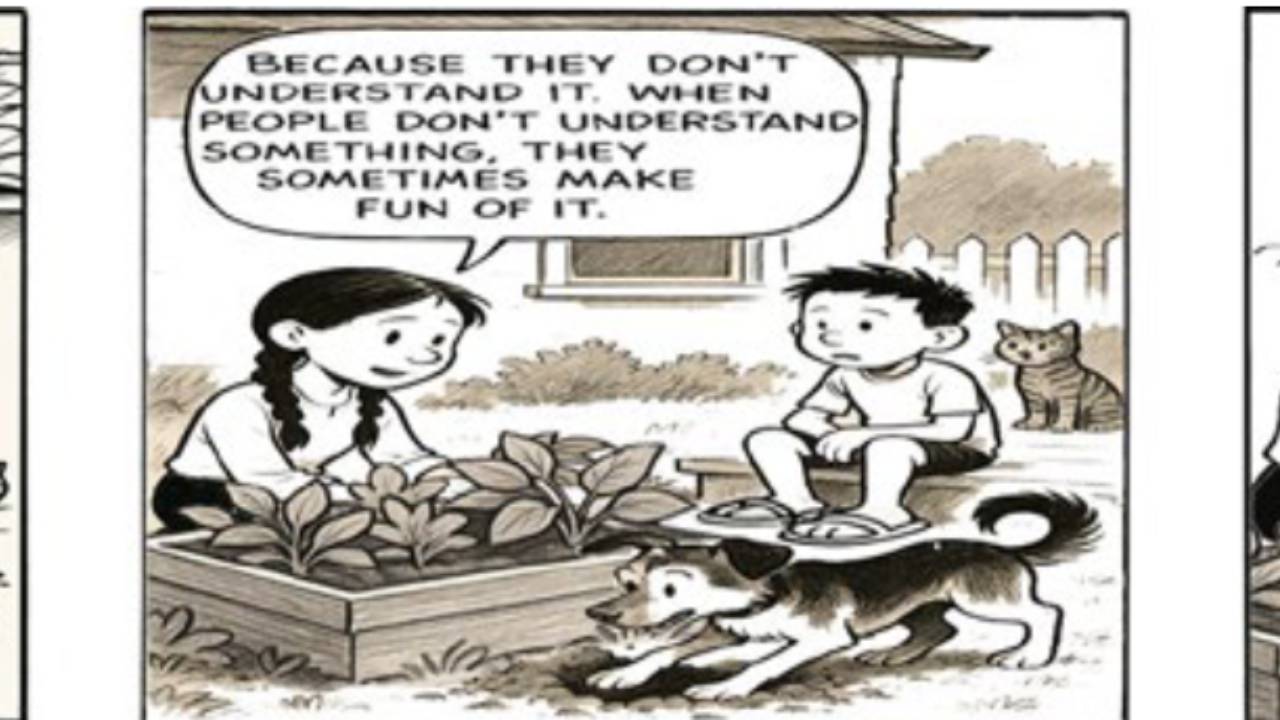
In the article, ‘Using Science to Support Students in Navigating Adolescence’, Anita Rawat offers a thoughtful and compelling perspective on how science education can support students during this transformative stage. Drawing on her own experience of adolescence, Anita recognises it as one of the most sensitive phases of life. Adolescents grapple with hormonal changes, identity formation, and social pressures. They experience strong emotions but often struggle to express their concerns openly, fearing judgment or misunderstanding. Through classroom strategies such as guided self-reflection on personal changes and the use of an anonymous question box, Anita creates spaces where students feel safe to voice sensitive questions and concerns. Her approach is both empathetic and practical. By taking on the dual role of teacher and mentor, she supports students in navigating the challenges they face and encourages them to seek scientific understanding in response to their questions. Through sensitive discussions on menstruation and the specific challenges adolescent girls encounter, Anita demonstrates how teachers can challenge stereotypes that limit girls’ mobility, confidence, and participation, while also fostering empathy among boys. Her work shows how science classrooms can become spaces not only for learning concepts, but also for addressing deeply rooted social attitudes.
One of the most powerful messages in Anita’s work is her assertion that lessons on adolescence are not optional add-ons; they are essential components of holistic education. She reminds us that the role of a science educator extends far beyond teaching concepts, formulas, or conducting experiments. It also involves preparing young people to navigate life’s complexities—especially those arising from unanswered questions and unresolved emotional concerns. These include negotiating the desire for independence while still needing adult support, balancing personal judgment with peer pressure, coping with fear of rejection, managing body image concerns and comparisons with peers, navigating anxiety around friendships with the opposite sex, and wanting to try new experiences while fearing their consequences. To meet this responsibility, teachers must work through their own inhibitions, build trust with students, and engage in honest and sensitive conversations around these topics. Anita’s experience serves as a call to action for science teachers: to create classrooms where science illuminates not only the laws of nature, but also the path towards responsible, confident adulthood.
Shiv Pandey
Editorial Team Member