Why do we use different metals for cooking pots?

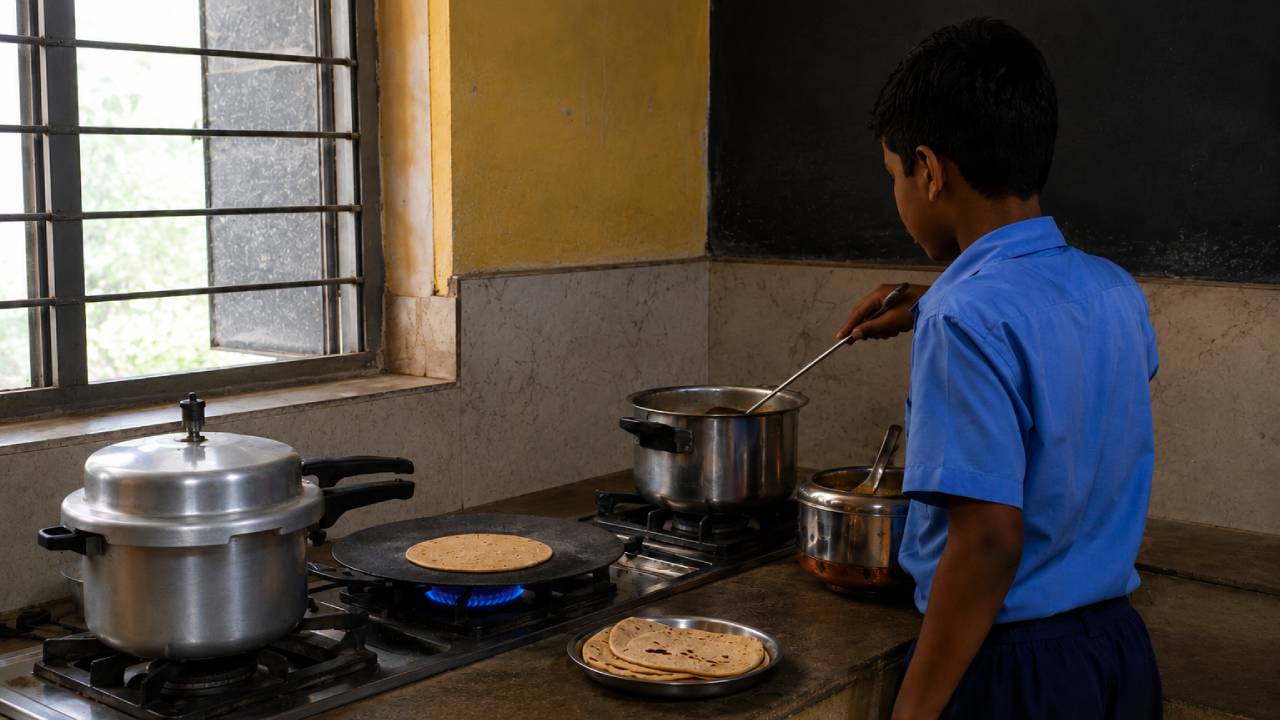
Look at the pots and pans in your kitchen. You may find aluminium, steel, iron, or copper. How many different metals and alloys can you identify? Have you wondered why we do not use a single material for all cooking? Different metals have different physical and chemical properties, which make them more suitable for specific kinds of cooking. Here are some examples:
Aluminium (lightweight and fast-heating): Aluminium conducts heat efficiently, so it heats up quickly and distributes heat relatively evenly. This property makes it suitable for cooking foods like milk or rice, which require moderate heating without long cooking times. Aluminium is lightweight and easy to handle. However, it is soft and can bend or scratch easily. It can also react with acidic foods if uncoated. Many aluminium utensils are now coated, anodised, or combined with other metals to increase durability and reduce chemical reactions. Aluminium melts at about 660 °C, so it is not suitable for extremely high temperatures.
Iron and cast iron (heat-retaining and strong): Iron and cast-iron utensils are heavy and dense. They heat up more slowly than aluminium, but retain heat for longer periods, which is useful for slow cooking, such as making rotis on a tawa. Cast iron is hard and long-lasting, though it is brittle and can crack if dropped. Iron can rust if left wet, so these utensils should be dried carefully after washing.
Stainless steel (durable and corrosion-resistant): Stainless steel is an alloy of iron containing chromium (≥10.5%) and sometimes nickel. The chromium forms a protective oxide layer that prevents rusting. Stainless steel is strong, hard, and resistant to corrosion, denting, or scratching. It does not react significantly with most foods. However, stainless steel does not conduct heat as efficiently as aluminium or copper, so many stainless-steel utensils include a base layer of copper or aluminium to improve heat distribution.
Copper (high heat conductivity): Copper conducts heat very efficiently, which allows rapid and uniform temperature changes. This property is useful for tasks that require precise temperature control. Copper can react with acidic foods, so it is usually lined with another metal such as tin or stainless steel. Copper is often used for the base of utensils or fully lined to prevent direct contact with food.
What does this tell us? There is no single ‘best’ metal for cooking. Metals are chosen based on their properties—how they conduct heat, how strong they are, whether they rust, and how they react with food.
Question for students
Look around your kitchen, home, school or neighbourhood and list three cooking or household objects made of metal. For each object, ask:
- Why might this metal have been chosen for this job?
- What property of the metal makes it suitable—or unsuitable—for this use?
- Would a different metal work better? Why or why not?
Remember, people did not learn about metals from textbooks. They learned by watching, touching, breaking, bending, and trying again—just like scientists do. Science is not done only in laboratories —it is also practised in everyday places like our kitchens.
Notes
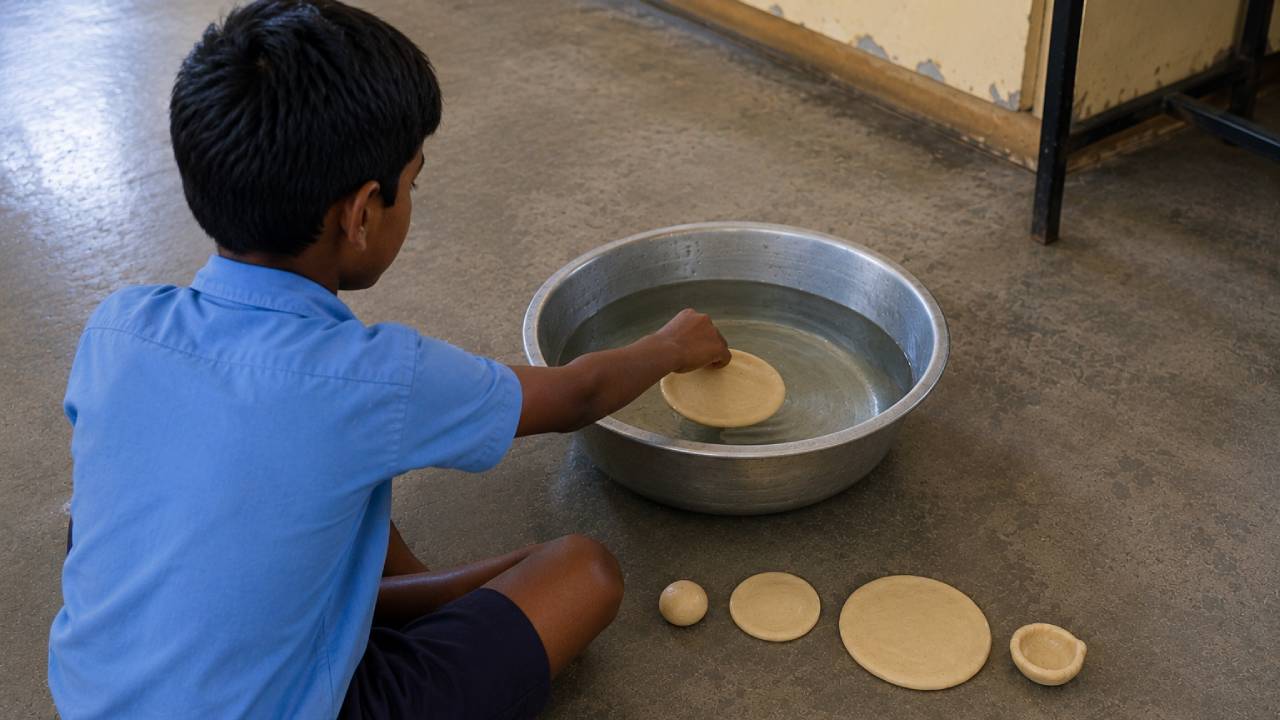
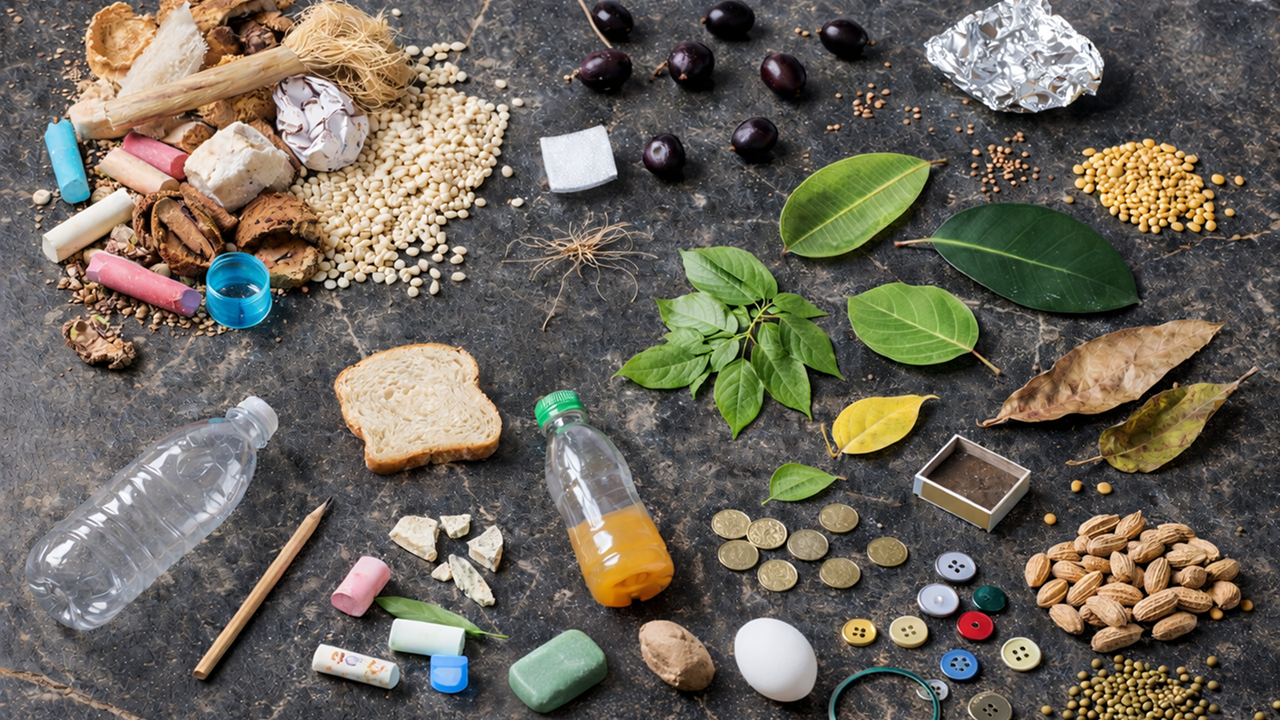
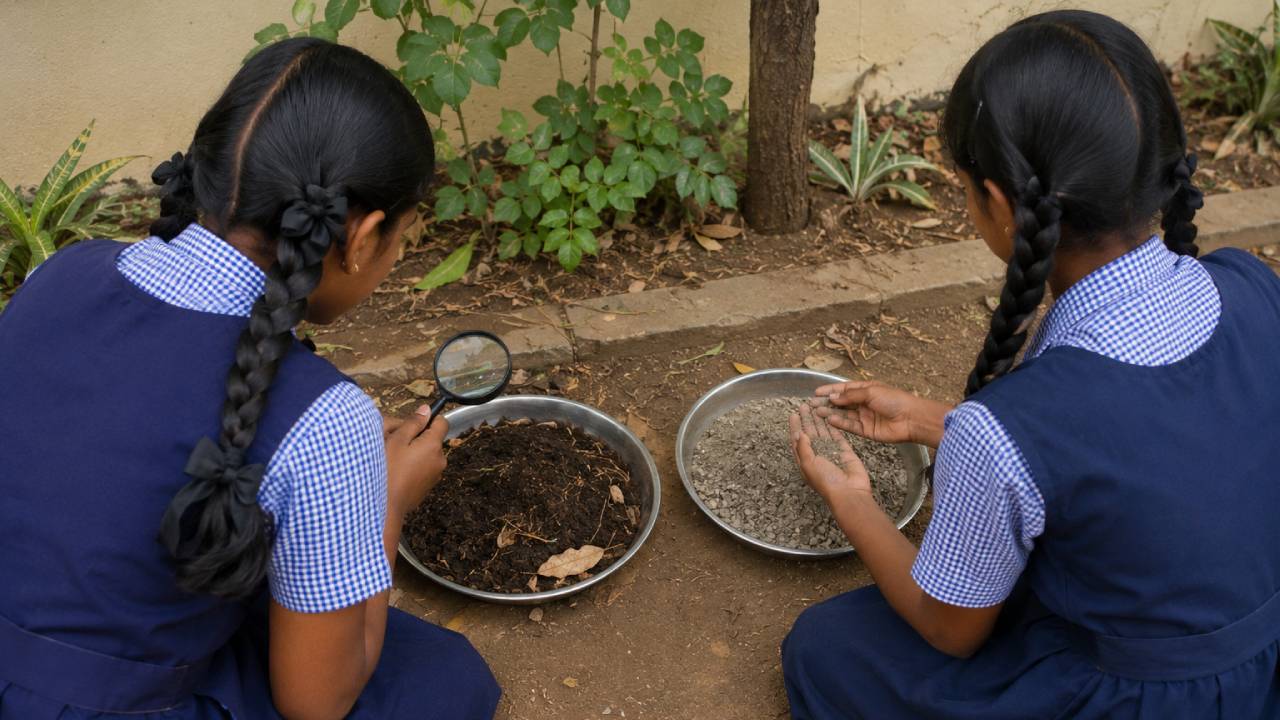
- Credits for the image (Observing use of different metals and alloys in everyday cooking utensils) used in the background of the article title: Created for i wonder… using ChatGPT under prompting by Chitra Ravi (June 2026). License: CC BY-NC-ND 4.0.
- This article was originally published as a ‘Did You Know?’ piece that appeared at the end of the article titled ‘Metals and nonmetals: A teaching plan.‘ in the print edition of the Dec 2025 issue.