
A project-centred approach to biographies of scientists
December 8, 2025


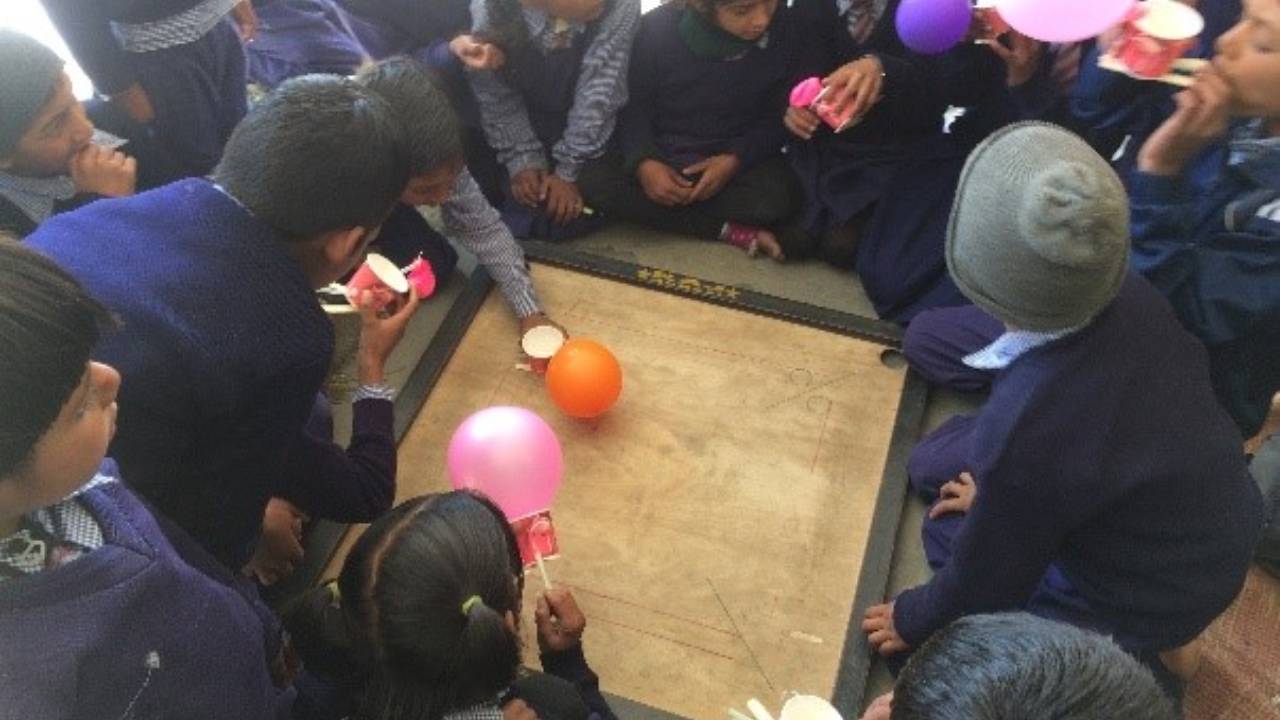
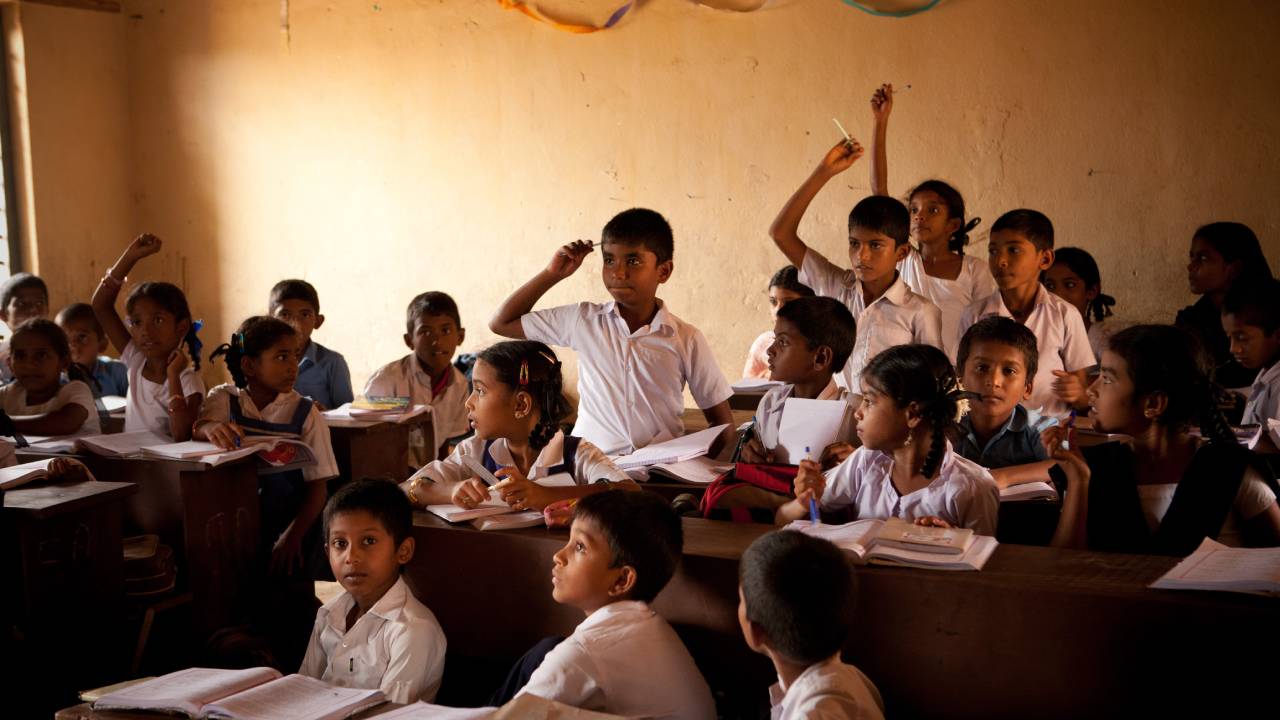
This October, my colleagues (Radha Gopalan and Vijeta Raghuram) and I had the opportunity to visit nine government schools in Damoh and Bhopal. This was an opportunity to listen to the stories of many science teachers and teacher educators who were refusing to be passive. Refusing to let administration, bureaucracy, the lack of resources and time, the cynicism of their colleagues, negative perceptions of their work, the circumstances of their lives, their experiences as learners, and/or their fears as teachers stop them from taking control of their own teaching and learning. This refusal was in the value they saw in themselves and in the role that teachers play in society. In the transparency with which they shared their failures with their colleagues. In their willingness to try something new in their classrooms. Often, these stories were less about the heat of external rebellion and more about the quietness of inner resistance. They had an everyday quality to them. Every story was different. Yet, they were all stories of science teachers growing in their practice.
What supports this growth? I can think of two factors that may be common to science teachers across diverse contexts of practice. One of these may be the kind of questions we hold within ourselves. Questions like: How do we engage our students’ curiosity and interest in the concepts in their textbooks? How do we connect what they learn in class with their everyday experiences? How effectively can students use the skills they practice in the science classroom to address real world problems? Can the process of science open them to the possibilities that communities of practice offer? Can it help them appreciate how all that we know about our world today comes from the efforts of many people building on what we knew yesterday? Can science help our students think more clearly, feel more deeply, and act with more courage and care? Can it help them discover a sense of curiosity for and connection with the natural world that stays with them throughout their lives? The other factor may be the ability to learn from the community we are part of. This community consists of teachers who share our questions and know why they matter to us. They are most likely to understand why these questions demand the patience and the confidence to take small steps in changing the way we relate to our students and the curriculum.
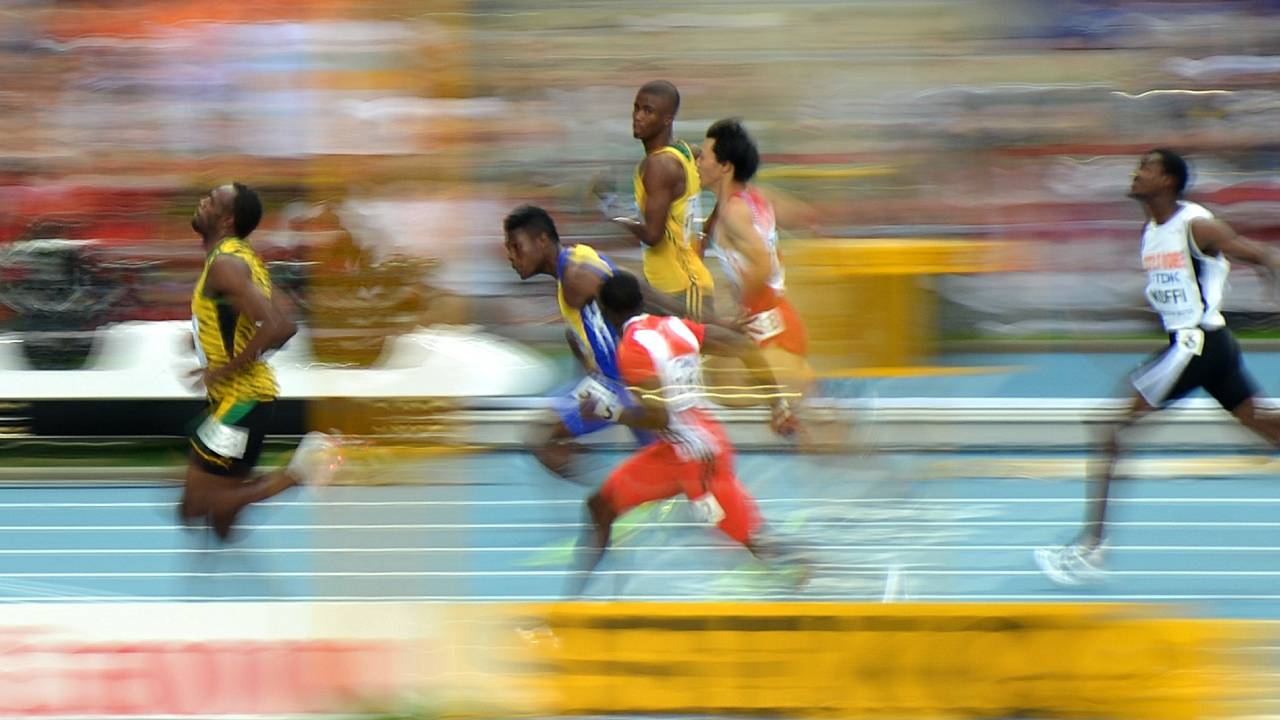
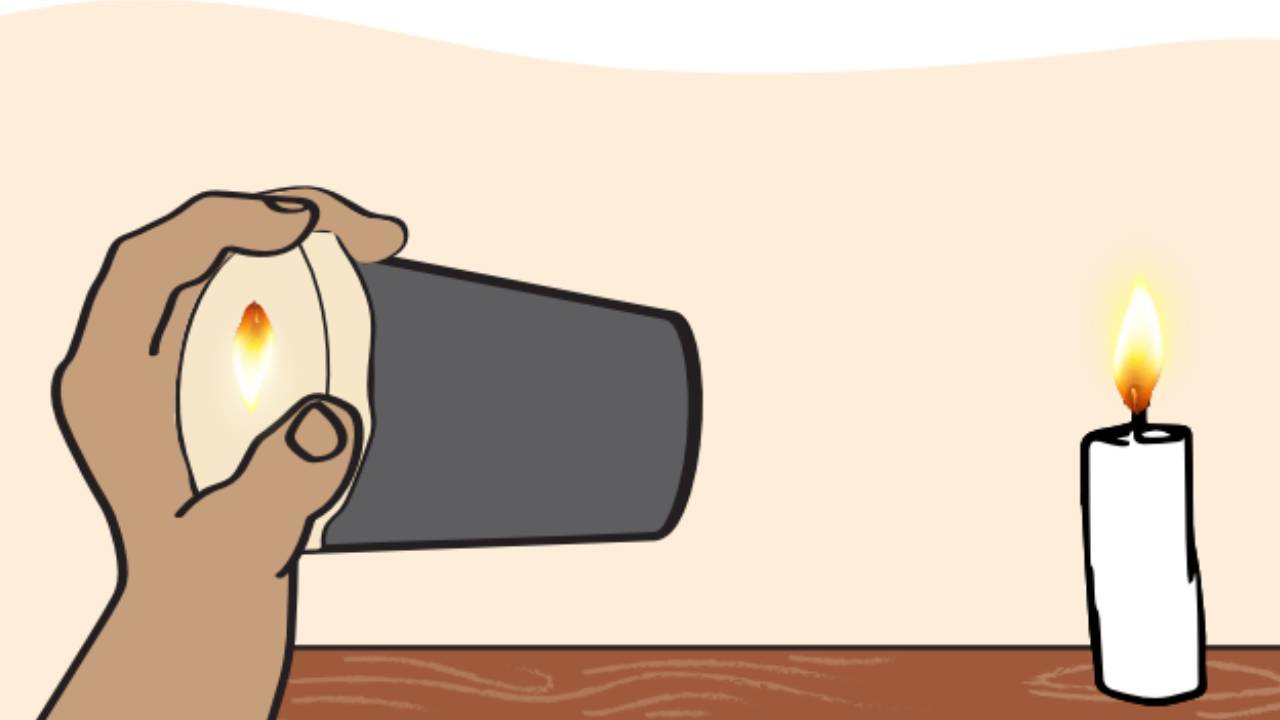
They are the people who are most likely to learn from our struggles and our experience. And they are the people whose experiences and struggles we may learn the most from. This issue has many such experiences. I would like to highlight three. Naresh Kumar Sen shares how his decision to involve his students in writing biographies of scientists was inspired by the effectiveness with which they used elements of a project-centred approach in their real worlds. Anish Mokashi and Sreeja Velayudhan tell us how their decision to play a video of Usain Bolt’s record-breaking sprint in class helped their students engage more actively with formal concepts in linear motion. And Shiv Pandey shares how his choice of questions led his students to think more creatively and critically about their experience of making and manipulating an inexpensive pinhole camera.
Do you teach science to students in the middle stage (Grades VI-VIII)? What factors support your growth as a teacher? What kind of questions drive it? What do other teachers contribute to it? How has your growth changed your classroom instruction? And how has it changed what your students learn? Share your experience with us.
Chitra Ravi
Editor